

Season Spanish cedar in 14 days with Boveda B84 packs, then hold 65–69% RH using two-way packs or a calibrated digital hygrometer. Setup, calibration, and...
Season a new wooden humidor before a single cigar touches it, and maintain it afterward with 65 to 69 percent two-way humidity packs or a calibrated electronic system. The fastest, safest route uses Boveda B84 packs for 14 days to condition the Spanish cedar, followed by ongoing maintenance packs and a properly calibrated hygrometer. Skip seasoning and you risk warped wood, cracked wrappers, and a humidor that never holds a stable reading.
TL;DR:
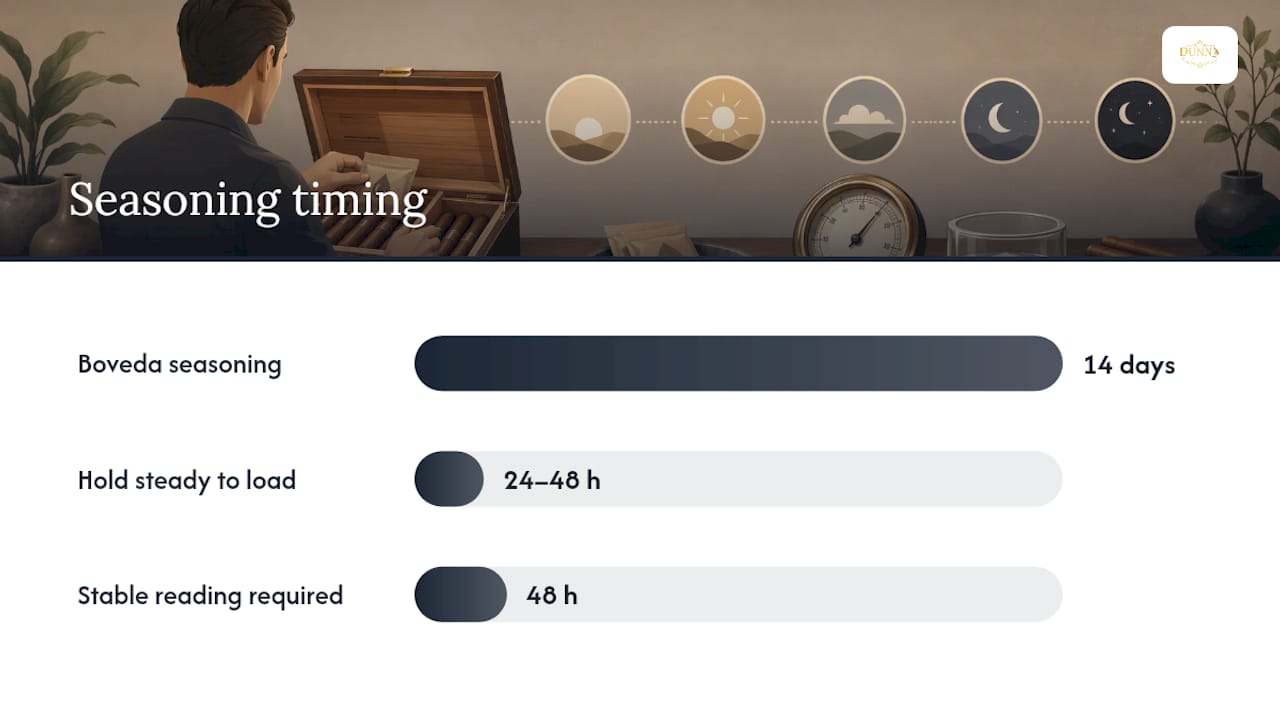
- Season a new humidor with Boveda B84 packs for 14 days and wait until the humidity reading stabilizes for 48 hours before adding cigars.
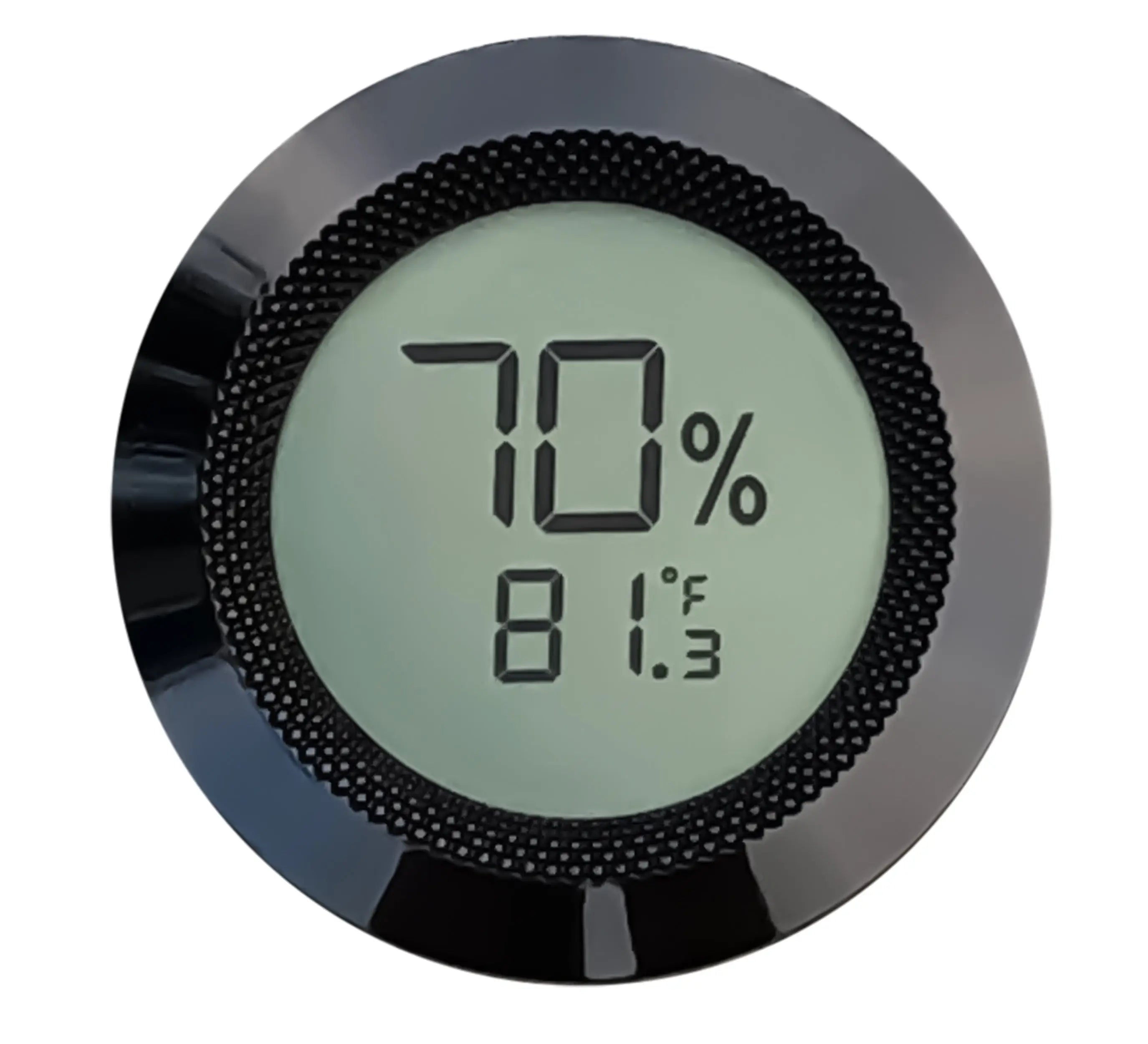
- Use two-way humidity packs rated at 65% or 69% RH and a digital hygrometer placed in the middle of the box for reliable monitoring.
- Recalibrate hygrometers every six months using the salt test or Boveda calibration kits to ensure accurate readings.
- Maintain humidity packs every two to four months and check for seal integrity and mold to prevent unstable conditions.
- Budget for replacement parts such as cedar sheets and hardware, and consider professional installation for large or complex humidors.
Table of Contents
- Humidor Installation Guide: What You Need Before You Start
- How Do You Season a New Humidor?
- How Do You Calibrate a Cigar Humidor Hygrometer?
- Which Humidification System Should You Choose?
- Humidor Maintenance Schedule: What to Check and When
- Fixing Common Humidor Problems
- Restocking and Replacement Parts: What to Keep on Hand
- When Professional Installation Actually Pays Off
- Ready-Made Solutions for a Faster, More Reliable Setup
- Sources
- FAQ
Humidor Installation Guide: What You Need Before You Start
Every proper installation starts with the right supplies laid out on the table, not scrambled together mid-project. Walking into this without a plan is how collectors end up seasoning with tap water and wondering why mold appears three weeks later.
Here’s what belongs in your kit before you open the box:
- Two-way humidity packs rated at 65% or 69% RH, sized to your humidor’s capacity
- A digital hygrometer for accurate, verifiable readings (analog dial units drift and are notoriously unreliable)
- A seasoning kit, typically 84% RH Boveda packs, sized for your box
- Distilled water, but only if your humidor uses a refillable foam or crystal humidifier
- Spare Spanish cedar sheets for interior buffering and scent management
- A calibration kit or table salt for testing hygrometer accuracy
The distilled water rule trips up more beginners than any other step. Tap water carries minerals that clog refillable humidifiers and encourage mold growth inside your storage space. If your setup uses two-way packs instead of a refillable unit, you can skip water entirely. As a rule of thumb, budget one to two humidity packs per 25 cigars of capacity, and position your hygrometer in the middle of the box, away from the lid seam and direct humidifier contact, where readings run truest.
How Do You Season a New Humidor?
Seasoning conditions raw Spanish cedar so it stops pulling humidity away from your cigars and starts holding a stable equilibrium. Skip this step and your beautiful new box will drink up moisture from every cigar you place inside it for weeks, leaving you chasing a reading that never settles.
- Empty the humidor completely and inspect it against the manufacturer’s setup instructions. Never rinse the interior with plain water. Wiping bare cedar with a wet cloth can raise the grain and introduce uneven moisture pockets that cause warping later.
- Unwrap your Boveda B84 packs and place them directly on the cedar, spacing them evenly across shelves or trays.
- Close the lid and leave it sealed for 14 days. Resist opening it to check progress. Each time you crack the seal, you reset the clock on the wood absorbing consistent moisture.
- Remove the spent B84 packs after 14 days and swap in your maintenance packs at 65% or 69% RH, based on your storage preference.
- Monitor for the first week with your hygrometer left in place. Once the reading holds steady for 48 hours, your humidor is ready for cigars.
An older alternative method uses a shot glass of water or a damp sponge placed inside the humidor for several days. It works, technically, but it carries real risk: uneven evaporation can over-saturate one corner of the box while leaving another dry, and standing water inside a sealed wooden container is a legitimate invitation for mold. The one-step Boveda method eliminates that gamble entirely, which is why it has become the standard recommendation across the trade.
Pro Tip: Don’t season and stock on the same day. Give your humidor a full 24 to 48 hours after installing maintenance packs to prove it can hold a stable reading before you load in cigars you actually care about.
How Do You Calibrate a Cigar Humidor Hygrometer?
An uncalibrated hygrometer is worse than no hygrometer at all, because it gives you false confidence in a reading that might be off by 10 points or more. Calibration takes an evening and costs nothing beyond a bit of table salt.
The salt test method:
- Mix table salt with a few drops of water to form a damp paste, not a slurry
- Seal the paste and your hygrometer together in a small airtight container or plastic bag
- Leave it for 6 to 24 hours
- A correctly reading hygrometer will settle at 75% RH, since that’s the equilibrium point saturated salt creates in an enclosed space
- If your unit reads differently, note the offset (or adjust it, if it has a calibration screw) and account for that gap going forward
The Boveda One-Step alternative: Boveda sells a dedicated calibration kit that simplifies the process to one step: seal your hygrometer inside the pouch for 24 hours and expect the same 75% reference reading. It’s faster than mixing salt paste and just as reliable.
Recalibrate roughly every six months, more often if you’re running an analog dial unit, which drifts faster than digital sensors. Check batteries on digital hygrometers at the same interval, and always position the sensor away from the lid and humidifier, centered in the storage space where airflow is most representative of the whole box.
Which Humidification System Should You Choose?
The right system depends less on budget alone and more on how much hands-on attention you want to give your collection.
- Beads, sponges, and refillable foam units cost less upfront but demand more attention. They need distilled water refills on a regular cycle, and any lapse in that routine risks the mineral buildup and mold exposure that plague neglected refillable systems.
- Electronic humidification systems, like the Cigar Oasis Plus, automate the entire process with a reservoir and fan-driven distribution. These make sense for large cabinets, walk-ins, or display cases where manual pack swapping across dozens of shelves becomes impractical. The tradeoff is a higher upfront cost and a reservoir that still needs periodic refilling and cleaning.
Pair whichever system you choose with a reliable monitor. A unit like the 300 Series Digital Hygrometer gives you a continuous, accurate read on conditions regardless of which humidification method you settle on.
Humidor Maintenance Schedule: What to Check and When
Consistency beats intensity here. Checking obsessively every day adds nothing and tempts you to open the lid more than necessary, which is its own destabilizing habit.
| Frequency | Task | Why it matters |
|---|---|---|
| Weekly | Glance at hygrometer reading | Catches drift before it becomes a real problem |
| Monthly | Visual check of packs and door seal | Confirms packs still have moisture and seal hasn’t degraded |
| Every 2 to 4 months | Replace two-way humidity packs | Spent packs stop regulating and let RH drift |
| Every 6 months | Recalibrate hygrometer | Sensors drift over time, especially analog dials |
Dry winter months call for closer attention. Indoor heating pulls ambient moisture down, which stresses your humidor’s seal and can shorten pack lifespan. If a pack dies noticeably faster than the two-to-four-month window, that’s rarely a defective pack. It usually points to a leaking seal or a seasoning job that wasn’t finished properly the first time. Run the crunch test on any pack you’re unsure about: press it gently, and if it feels rigid and crystallized rather than pliable, it’s spent and needs replacing before your reading starts to slide.
Fixing Common Humidor Problems
Most humidor problems trace back to one of three causes: a compromised seal, an exhausted pack, or a sensor giving you bad information. Work through them in this order before assuming the worst.
- Humidity reading too low. Check whether your packs are still pliable using the crunch test, verify the lid seal closes flush with no visible gaps, and add fresh packs if needed. Give the box 24 to 48 hours to stabilize before concluding you have a bigger issue.
- Suspected mold. Remove all cigars immediately and isolate them for inspection. Do not add water to the humidor while investigating. Check the cedar for white or blue-green fuzzy growth (as opposed to the harmless white bloom cigars sometimes develop). If you find visible mold on the wood itself, consult a professional restorer rather than attempting a full interior wipe-down yourself.
- Inconsistent or erratic hygrometer readings. Replace the battery first if it’s a digital unit, then recalibrate using the salt method. If the readings still won’t hold steady after calibration, replace the device with a known-accurate digital hygrometer rather than trusting a unit that’s proven unreliable.
Restocking and Replacement Parts: What to Keep on Hand
Running out of a two-way pack mid-season is avoidable with a little planning. Keep a standing inventory of consumables so your maintenance schedule never stalls waiting on a shipment.
- Two-way humidity packs, replaced every 2 to 4 months per box
- Hygrometer batteries, checked at each six-month calibration
- Seasoning packs, kept on hand for any new humidor or major restock
- Cedar sheets and dividers, refreshed as they lose scent or show wear (our guide to cedar dividers covers replacement timing in more detail)
For hardware issues, drawer runners, door seals, and replacement glass are worth checking against manufacturer parts rather than generic hardware substitutes. Budget lightly for a desktop setup, moderately more for a cabinet running an electronic system, and expect the highest ongoing consumable cost with large-capacity display units that need more packs per cycle.
When Professional Installation Actually Pays Off
Most desktop and cabinet humidors are entirely reasonable DIY projects. But once a collection grows past a few hundred cigars, or you’re managing a display piece meant to anchor a room, the math changes. A walk-in or large-format display humidor carries more surface area, more seams, and more opportunity for a seasoning shortcut to become a long-term stability problem.
That’s the scenario where consultation and white-glove installation earn their keep. Some specialists have guided collectors through exactly this transition, from a nightstand humidor to a room built to preserve a collection across decades. Professional setup means correct seasoning from day one, proper humidifier placement across a larger footprint, and a system sized to the actual capacity you’re protecting rather than guessed at.
— Belle Dunn
Ready-Made Solutions for a Faster, More Reliable Setup
If you’d rather skip the trial-and-error entirely, some companies carry the hardware to get your setup right the first time. Each product below solves a specific piece of the installation puzzle rather than asking you to cobble together a workaround.
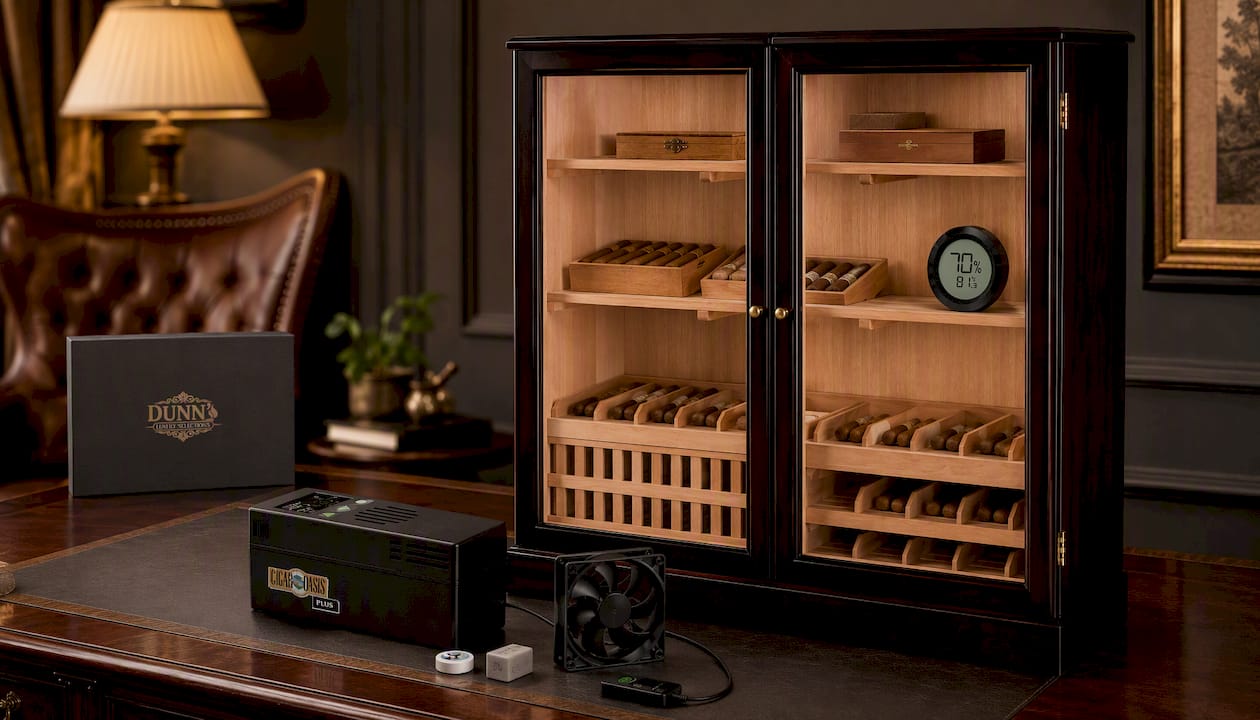
For collectors building out a serious display, the Humidor Supreme® Commercial Display 4000 gives you the capacity and presentation of a retail-grade case without sacrificing the humidity control a large box demands. If manual pack-swapping across a bigger footprint sounds like more upkeep than you want, the Cigar Oasis Plus automates humidification with the consistency required by walk-ins and large cabinets. And no setup is complete without accurate monitoring: the 300 Series Digital Hygrometer replaces guesswork with a real number you can trust. Browse the full collection or request a consultation at Dunn’s Luxury Selections to start planning your setup today.
Sources
- Water for your humidifier — Levoit blog
- How to Season Your Humidor with Boveda
- How to Calibrate a Hygrometer — Holt’s
FAQ
What is the 75% rule for cigar humidity?
It refers to hygrometer calibration: a properly sealed salt paste or a Boveda calibration kit should produce a 75% RH reference reading, letting you check your device’s accuracy.
Should I unwrap my cigars before I put them in my humidor?
No. Keep cellophane bands and sleeves on if that’s how they arrived; the wrapping doesn’t block humidity exchange and it protects wrappers from handling damage.
How often do you add distilled water to a humidor?
Only refillable foam or crystal humidifiers need water, typically every one to two weeks depending on climate; two-way pack systems need no water at all since they regulate humidity on their own.
How often should I replace two-way humidity packs?
Every two to four months in a well-sealed desktop humidor, though a pack failing sooner usually points to a seal problem rather than a defective pack.
Can I use tap water in my humidor?
No. Tap water minerals clog refillable humidifiers and raise mold risk; use distilled water exclusively in any refillable unit.
Recommended
You May Also Enjoy
Cigar Locker Dimensions: Sizing Guide for Collectors and Lounges
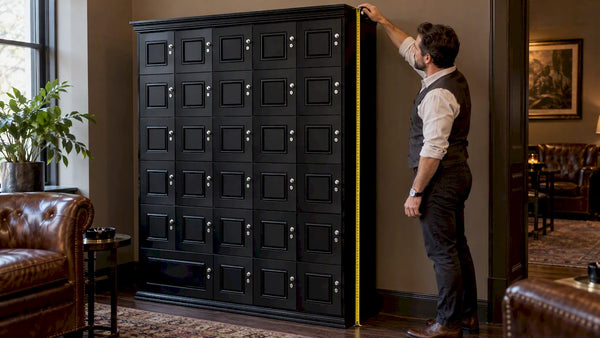
Cigar locker dimensions explained: compartment sizes, cabinet footprints, capacity math and clearances, so you size a locker bank...
Read Article
Sealing a Walk-In Humidor: Envelope, Door and Penetrations
How to seal a walk-in humidor properly: vapor barrier placement, door gasket, penetrations and the controlled airflow a...
Read Article
Retail Humidor ROI: How to Measure What a Display Earns
What does a retail or lounge humidor really return? A practical framework for cigar shops, lounges and clubs:...
Read Article